

Introduction
In the ever-evolving world of digital marketing, visibility is everything. You may create exceptional content, but without promotion, it often goes unnoticed. That’s where Seo Outreach becomes essential. It helps you connect with authoritative websites, earn high-quality backlinks, and boost organic rankings. With the right outreach strategy, you can increase website traffic, build credibility, and establish your brand as a trusted voice in your niche.
What is SEO Outreach?
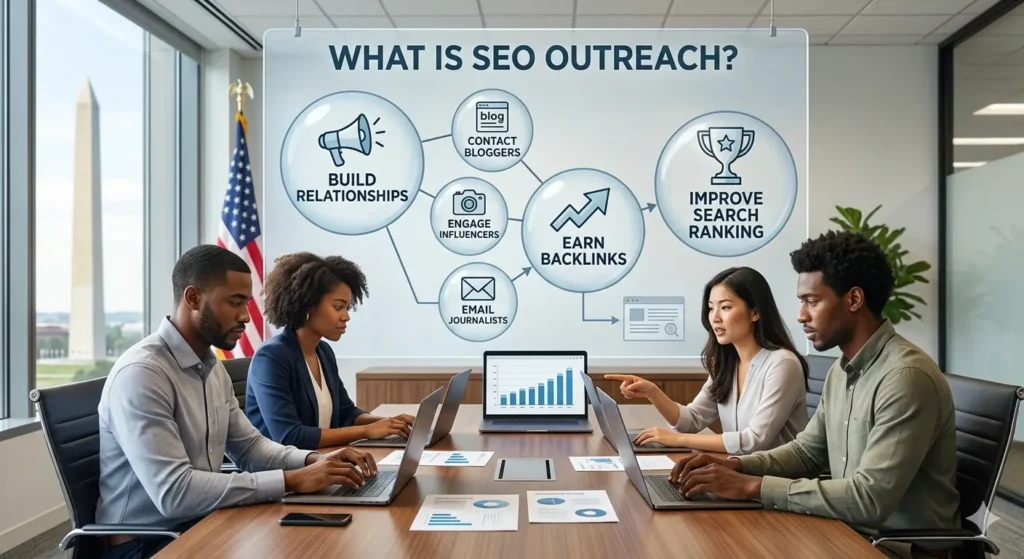
SEO outreach is a strategic process of reaching out to bloggers, website owners, journalists, and influencers to promote your content or secure backlinks. It involves personalized communication, relationship building, and content promotion. The main objective is to gain high-authority backlinks, improve domain authority, and increase visibility in search engine results pages (SERPs), making it a crucial part of off-page SEO.
Next Read: How to Increase Outreach Response Rates
Why SEO Outreach Matters
Backlinks remain one of the most important ranking factors in search engine algorithms. SEO outreach helps you earn these links naturally while building relationships within your industry. It enhances brand awareness, drives referral traffic, and strengthens your website’s authority. Without outreach, even valuable content may struggle to rank, making it an indispensable strategy for long-term SEO success.
Core Components of SEO Outreach
A strong SEO outreach campaign is built on these essential components:
- Prospect Research: Identify relevant, high-authority websites
- Content Quality: Create valuable and link-worthy assets
- Personalization: Tailor outreach emails for better engagement
- Relationship Building: Focus on long-term connections
- Follow-Up Strategy: Increase response rates with reminders
These elements ensure your outreach efforts are targeted, efficient, and aligned with SEO best practices.
Effective SEO Outreach Strategies
A well-rounded SEO outreach plan relies on multiple link-building approaches rather than a single tactic. Each strategy serves a specific purpose whether it’s improving domain authority, earning contextual backlinks, or increasing brand visibility. Choosing the right mix depends on your content assets, niche, and campaign objectives.
Continue Reading: Guest Posting vs Niche Edits
Guest Posting (High-Intent Link Acquisition)
Guest posting involves contributing high-quality, niche-relevant articles to authoritative websites in exchange for a contextual backlink.
SEO value:
- Builds strong, editorial backlinks
- Enhances topical authority
- Drives referral traffic from relevant audiences
This works best when your content aligns closely with the host site’s audience and editorial standards.
Influencer Outreach (Amplification + Natural Links)
This strategy focuses on connecting with bloggers, creators, and industry experts who already have audience trust.
SEO value:
- Increases content visibility
- Attracts organic backlinks through shares
- Strengthens brand credibility
If your content adds value to their audience, they may reference or link to it naturally.
Related Guide: AI Tools for SEO Outreach Campaigns
Broken Link Building (Opportunity-Based SEO Wins)
You identify dead links on relevant websites and suggest your content as a replacement.
SEO value:
- Earns backlinks with minimal resistance
- Helps site owners fix UX issues
- Positions your content as a solution
This method is efficient because you’re solving an existing problem rather than pitching from scratch.
Brand Mention Reclamation (Low-Hanging Link Opportunities)
This involves finding places where your brand is mentioned but not linked, then requesting a backlink.
SEO value:
- High conversion rate (warm outreach)
- Strengthens brand signals
- Improves link equity with minimal effort
Since the author already acknowledges your brand, adding a link is often a small ask.
Recommended Article: Outreach Prospecting Tools
Resource Page Outreach (Contextual Placement Strategy)
Many websites maintain curated lists of tools, guides, or helpful resources.
SEO value:
- Highly relevant backlinks
- Strong contextual placement
- Long-term traffic potential
Your pitch must clearly explain how your content enhances their existing resource list.
Skyscraper Technique (Competitive Link Building)
You identify high-performing content with many backlinks, create a superior version, and reach out to sites linking to the original.
SEO value:
- Targets proven link sources
- Builds high-authority backlinks
- Improves content competitiveness
While resource-intensive, it can deliver strong results if executed well.
Must-Read Resource: SEO Outreach for SaaS Websites
HARO & Digital PR (Authority-Driven Links)
Platforms like HARO connect journalists with expert sources.
SEO value:
- Earns backlinks from high-authority publications
- Builds brand trust and visibility
- Supports E-E-A-T (Experience, Expertise, Authority, Trust)
Getting featured in media outlets significantly boosts your SEO profile.
Podcast & Webinar Outreach (Authority + Visibility)
Offering your expertise as a guest on podcasts or webinars exposes your brand to targeted audiences.
SEO value:
- Generates backlinks from show notes
- Builds personal and brand authority
- Drives niche-relevant traffic
Repurposed content (like summaries or transcripts) can also create additional linking opportunities.
Learn More About: Outreach Campaign Management Tips
Link Exchanges (Strategic & Contextual)
Link exchanges—either direct or ABC (three-way)—involve mutually beneficial linking between relevant websites.
SEO value:
- Works when relationships are genuine
- Supports ecosystem-based linking
- Enhances content discoverability
Search engines scrutinize manipulative exchanges, so relevance and editorial context are critical.
Core SEO Principle Behind All Strategies
Regardless of the method, one principle drives success:
Value-first outreach wins.
When your content genuinely helps improve another site—whether by filling a gap, enhancing a resource, or supporting their audience—you shift from “asking for a link” to “offering a solution.” That’s what earns sustainable, high-quality backlinks.
Expert Guide: Link Prospecting Methods for Beginners
Step-by-Step SEO Outreach Process
1. Define Your Goals
Clearly identify what you want to achieve—backlinks, traffic, or brand awareness. Setting goals helps you measure success and choose the right outreach strategy aligned with your SEO objectives.
2. Competitor Backlink Analysis
Analyze your competitors’ backlink profiles using SEO tools. This helps you discover websites already linking to similar content and provides proven outreach opportunities.
3. Build a Prospect List
Create a list of relevant websites, bloggers, and publishers in your niche. Focus on sites with high domain authority and active audiences for better results.
In-Depth Tutorial: Best Practices for Link Building Outreach
4. Segment Your Prospects
Divide your prospects into categories such as blogs, news sites, and influencers. Segmentation allows you to tailor your outreach messages for each group.
5. Create Link-Worthy Content
Develop high-quality content such as guides, research, or infographics. Strong content increases your chances of getting backlinks and positive responses.
6. Find Contact Information
Identify the right person to contact, such as editors or website owners. Use tools or manual research to find accurate email addresses for outreach.
7. Craft Personalized Emails
Write customized emails that address the recipient by name and reference their content. Personalization improves open rates and builds trust.
8. Send Outreach Campaigns
Send emails in small, targeted batches instead of mass mailing. This helps maintain quality and allows you to track responses effectively.
Complete Breakdown: How to Get Backlinks Through Outreach
9. Follow Up Strategically
If you don’t receive a response, send follow-up emails after 3–5 days. Polite reminders significantly increase reply rates.
10. Track Responses and Links
Monitor who responds, who accepts, and where your backlinks are placed. Use tracking tools to measure outreach performance.
11. Analyze Campaign Results
Evaluate metrics such as response rate, link quality, and traffic. This helps you understand what works and what needs improvement.
12. Optimize and Scale
Refine your strategy based on data and scale successful campaigns. Automation tools can help expand your outreach without losing personalization.
Consistency is key to achieving long-term SEO results.
Step-by-Step Guide: How to Do SEO Outreach Step by Step
SEO Outreach Mistakes to Avoid
Even a well-planned outreach strategy can fail if you overlook a few critical pitfalls. Here’s a breakdown of common mistakes and why they matter:
1. Targeting the Wrong Websites
Not every site that accepts links is worth pursuing. If a website has little to no traffic from your target region, publishes content in a language your audience doesn’t understand, or covers completely unrelated topics (like crypto, health supplements, and real estate all at once), it’s a red flag.
These are often “link farms”—sites built primarily to sell backlinks, not to provide real value. Links from such sources carry little SEO benefit and can even damage your credibility in the long run.
2. Overlooking Outbound Link Behavior
A key indicator of a site’s quality is how it links out. If every page is packed with dozens or even hundreds of external links, it’s likely monetizing links rather than maintaining editorial integrity.
Search engines factor this in. A trustworthy site usually has structured content, focused topics, and a controlled number of outbound links. That signals curation, not commercialization.
3. Ignoring Authority and Relevance
Backlinks aren’t just about quantity—they’re about context and strength. If you’re getting links from sites with significantly lower authority (e.g., low Domain Rating) or from completely unrelated niches, the impact will be minimal at best.
In some cases, irrelevant or weak backlinks can dilute your site’s SEO profile. The goal is to earn links from sites that are both authoritative and closely aligned with your topic.
4. Relying Too Much on Automation
Automation tools can improve efficiency, but overusing them often backfires. Sending identical, generic emails to hundreds of prospects makes your outreach easy to spot—and easy to ignore.
Personalization is what drives engagement. Even small tweaks—like referencing a recent article, aligning your pitch with their audience, or adjusting your tone—can significantly improve response rates.
Beginner’s Guide to: 10 SEO Outreach Email
Results You Can Expect
With consistent SEO outreach, you can achieve:
- Improved search engine rankings
- Increased organic traffic
- Higher domain authority
- Quality referral traffic
- Strong industry relationships
These results compound over time, helping your website gain credibility and outperform competitors in search rankings.
Conclusion
SEO outreach is not just about link building—it’s about building trust, authority, and meaningful relationships. When done strategically, it can transform your website’s visibility and organic growth. By focusing on quality content, targeted outreach, and consistent follow-ups, you can create a sustainable SEO strategy. Start implementing these techniques today to strengthen your online presence and achieve long-term digital success.
Advanced Strategies for: Top SEO Outreach Strategies
FAQs
What is SEO outreach?
SEO outreach is the process of contacting website owners or influencers to promote content and earn backlinks that improve search engine rankings.
How long does SEO outreach take to show results?
Results typically take a few weeks to a few months, depending on your strategy, consistency, and quality of backlinks.
Is SEO outreach still effective in 2026?
Yes, SEO outreach remains a critical component of off-page SEO and is essential for building authority and earning high-quality backlinks.
How many outreach emails should I send?
Start with 50–100 targeted emails per campaign and scale based on response rates and success.
Why is SEO outreach important for beginners?
SEO outreach helps beginners gain visibility, build backlinks, and establish authority, making it easier to rank content in competitive search results.
Pro Tips on: SEO Outreach in 2026
Leave a Reply