
Link Prospecting Methods for Beginners
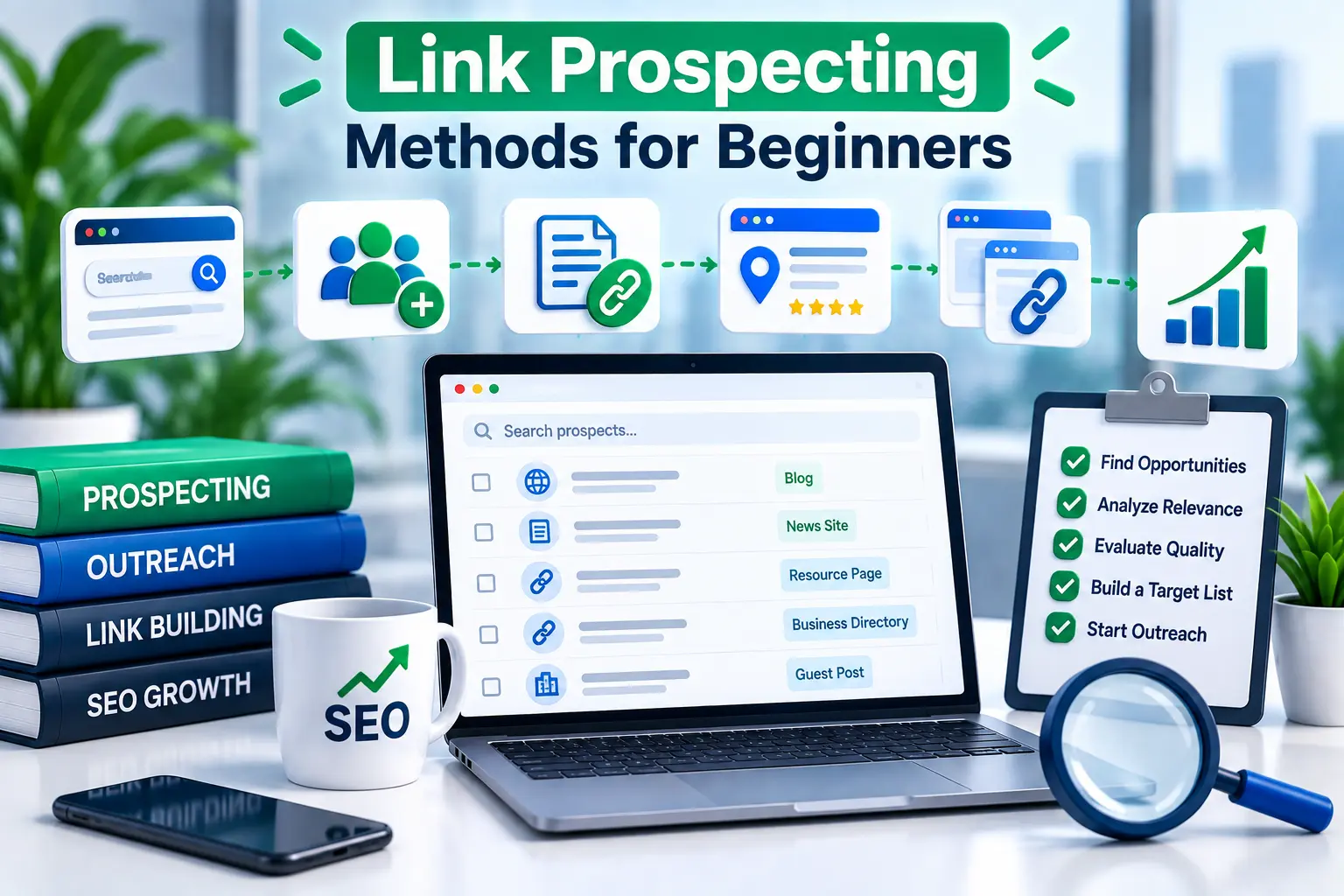
Link prospecting helps websites gain trusted mentions from relevant pages across the internet. Search engines review those references when ranking content, which makes careful outreach an important part of search visibility. Beginners often struggle because many guides explain theory without showing practical steps. A simple process creates better results and saves valuable time during campaigns. In this article, readers will learn how to identify strong opportunities, review page quality, organize outreach lists, and maintain consistent progress. The guide also explains common mistakes, helpful tools, and communication methods that support long-term authority growth without relying on risky practices.
Table of Contents
ToggleWhy Link Prospecting Matters
Search engines measure trust through relevant references from external websites. Strong links help pages gain visibility for competitive keywords while improving referral traffic from interested visitors. Companies with structured Seo Outreach plans usually build authority faster than competitors using random submissions.
Many beginners focus heavily on quantity instead of relevance. Poor placements often create little ranking value and may reduce campaign performance over time. Smart prospecting targets websites connected to the same audience, industry, or service category.
Effective research also improves resource management. Teams avoid wasting effort on inactive domains, spam pages, or weak publications. Better targeting increases reply rates and strengthens outreach efficiency during every campaign cycle.
Core Goals of Link Prospecting
Every outreach campaign should begin with clear objectives. Defined goals help teams select websites matching the correct audience and content type. Without direction, prospecting lists become disorganized and difficult to scale.
Most campaigns focus on several measurable targets:
- Higher keyword visibility
- Better referral traffic
- Improved brand mentions
- Stronger topical authority
- Increased partnership opportunities
Some companies prioritize niche relevance over domain strength. Others prefer larger publications with broader audiences. The correct balance depends on competition levels, business goals, and available resources.
Careful planning also helps teams measure campaign performance accurately. Reliable data supports future improvements and prevents repeated outreach mistakes during later projects.
Start With Competitor Analysis
Competitor research provides a practical starting point for beginners entering outreach campaigns. Existing backlinks reveal which websites already reference similar content within the same industry. That information reduces guesswork during prospecting stages.
Many outreach professionals study competitor pages through tools that display referring domains and linking articles. During this process, marketers often review educational guides about <a href=”#”>Anchor Text</a> placement because contextual relevance influences link quality and reader trust across outreach campaigns. Those references also help beginners understand how editorial mentions appear naturally inside valuable articles rather than forced promotional sections.
Several useful details appear during competitor reviews:
- Frequently linked content topics
- Active guest posting websites
- Industry blogs accepting submissions
- Resource pages within the niche
- Journalists covering related subjects
Consistent analysis reveals patterns that beginners can replicate through better content and smarter outreach communication.
Identify Relevant Niches
Relevance plays a major role in successful link acquisition. Search engines value contextual connections between websites because those references appear more authentic and useful for readers. Beginners should avoid unrelated pages offering links without audience alignment.
Niche research starts with audience interests and content categories. A fitness website benefits more from health publications than unrelated technology directories. Similar themes create stronger engagement and improved referral potential.
Several niche indicators help during evaluation:
- Similar target audience
- Matching content themes
- Related products or services
- Active industry discussions
- Consistent publishing schedules
Focused prospecting improves outreach efficiency while supporting stronger authority signals. Relevant placements also increase the likelihood of future collaborations between websites sharing overlapping interests.
Use Search Operators Effectively
Search operators simplify prospecting by locating websites accepting contributions or publishing resource content. Many beginners ignore these commands even though they save hours during manual research sessions. Proper searches uncover opportunities hidden from basic keyword queries.
Useful search combinations include:
- “write for us” + industry keyword
- “guest post” + niche topic
- “resources” + service category
- “best blogs” + target subject
- “submit article” + keyword
Refined searches improve targeting precision. Teams discover smaller websites with engaged readers instead of chasing overly competitive publications with limited response rates.
Regular experimentation also reveals new opportunities over time. Search behavior changes frequently, which means fresh combinations often produce different results during future campaigns.
Evaluate Website Quality
Quality assessment protects campaigns from weak or harmful placements. Many websites appear trustworthy initially but contain spam content, excessive advertisements, or poor engagement levels. Careful reviews prevent wasted outreach effort.
Several metrics support stronger evaluations:
- Organic traffic trends
- Publishing consistency
- Relevant audience activity
- Content quality standards
- Reasonable outbound links
Beginners should also review article depth and editorial structure. High-quality publications usually maintain readable formatting, accurate information, and clear topical focus.
Strong websites often display active communities through comments, shares, or returning contributors. Those signals suggest better visibility potential for future placements and stronger trust from search engines reviewing backlink relevance.
Build a Prospecting Spreadsheet
Organization improves campaign efficiency significantly. Prospecting spreadsheets help teams manage contacts, outreach stages, follow-ups, and publishing status without confusion. Structured records also reduce duplicate communication with the same websites.
Important spreadsheet fields include:
- Website name
- Contact information
- Domain metrics
- Outreach status
- Response notes
- Content requirements
Color coding helps beginners track progress quickly. Separate tabs for accepted placements, pending replies, and rejected opportunities maintain better workflow visibility.
Consistent documentation creates long-term value because outreach lists remain useful for future campaigns. Reliable records also help teams identify patterns affecting response rates and partnership success.
Find Resource Page Opportunities
Resource pages collect valuable references for readers searching specific information. Those pages often link externally because their purpose centers on education rather than direct promotion. Beginners frequently overlook this prospecting method despite strong success potential.
Resource opportunities appear within many industries:
- Educational websites
- Nonprofit organizations
- Industry associations
- Local business directories
- Community information hubs
Successful outreach requires genuinely useful content. Resource managers rarely add weak articles lacking practical value for visitors. Helpful guides, statistics, tools, or tutorials usually perform better during submissions.
Careful targeting increases acceptance likelihood. Relevant content aligned with the page topic creates stronger connections and better user experience for visitors exploring recommended resources.
Leverage Social Platforms
Social platforms help identify active publishers, journalists, and bloggers discussing industry topics regularly. Many outreach opportunities begin through conversations rather than formal cold emails. Relationship building often improves reply rates significantly.
Several platforms support prospecting research effectively:
- X
- Facebook groups
- Reddit communities
- Professional forums
Active participation builds visibility before outreach begins. Helpful comments and thoughtful discussions create familiarity with potential publishing partners over time.
Beginners should focus on genuine engagement instead of direct promotion. Authentic communication creates stronger professional connections and increases trust during future collaboration requests involving guest contributions or editorial mentions.
Create Valuable Outreach Messages
Strong outreach messages remain concise, relevant, and respectful. Website owners receive many generic requests daily, which means personalization improves response chances considerably. Clear communication demonstrates professionalism and preparation.
Effective emails usually contain several important elements:
- Personalized greeting
- Relevant article reference
- Short introduction
- Specific collaboration idea
- Clear closing statement
Beginners should avoid exaggerated claims or overly aggressive requests. Honest communication builds stronger relationships and encourages productive conversations with editors.
Follow-up messages also matter. Many responses arrive after polite reminders sent several days later. Consistent yet respectful communication improves outreach success without creating negative impressions.
Use Content Gaps for Prospecting
Content gaps reveal subjects competitors cover poorly or ignore completely. Those opportunities help beginners create unique material that attracts stronger editorial interest. Publishers often prefer fresh insights instead of repetitive topics appearing everywhere online.
Gap analysis usually includes:
- Missing industry questions
- Outdated statistics
- Weak tutorials
- Incomplete guides
- Limited regional content
Useful research tools highlight keywords lacking strong competition. Teams can then build detailed resources supporting outreach campaigns and organic visibility simultaneously.
Publishers appreciate articles solving real audience problems. Unique content improves acceptance rates because editors seek material adding value rather than duplicating existing information already published repeatedly across similar websites.
Track Outreach Performance
Performance tracking helps teams identify effective strategies and weak processes. Without data, campaigns rely heavily on assumptions instead of measurable results. Reliable tracking improves decision-making during future outreach activities.
Important metrics include:
- Response rates
- Placement approvals
- Referral traffic
- Keyword improvements
- Content engagement
Regular reviews reveal communication patterns affecting outreach outcomes. Some industries respond better to shorter emails while others prefer detailed pitches explaining article benefits clearly.
Performance analysis also helps beginners prioritize valuable opportunities. Strong partnerships deserve continued attention because recurring collaborations often produce better results than constant cold outreach to unfamiliar contacts.
Avoid Common Beginner Mistakes
Many beginners damage campaigns by focusing solely on domain scores or large publication names. High numbers do not always guarantee relevance or meaningful traffic. Balanced evaluation creates stronger long-term results.
Several common mistakes appear frequently:
- Sending mass emails
- Ignoring website relevance
- Using poor content quality
- Overlooking editorial guidelines
- Skipping follow-up communication
Another issue involves unrealistic expectations. Link prospecting requires patience because strong placements often take time to secure. Consistent effort produces better outcomes than rushed campaigns seeking immediate rankings.
Beginners should also avoid paid schemes promising guaranteed authority. Search engines value authentic editorial references instead of artificial placements created purely for manipulation.
Build Long-Term Relationships
Strong partnerships often generate repeated opportunities without constant prospecting work. Publishers prefer contributors delivering reliable content and respectful communication. Relationship building supports sustainable growth across future campaigns.
Long-term collaboration benefits include:
- Faster publication approvals
- Better editorial trust
- More referral traffic
- Expanded networking opportunities
- Consistent brand visibility
Helpful communication strengthens professional credibility. Sharing publisher articles, offering useful insights, or supporting community discussions creates stronger relationships naturally.
Reliable contributors frequently receive invitations for additional content submissions. Those partnerships reduce outreach effort while increasing placement quality across relevant industry publications.
Conclusion
Link prospecting becomes easier when beginners follow a structured process focused on relevance, organization, and communication quality. Successful campaigns depend on careful research rather than large outreach volume. Competitor analysis, niche targeting, resource page research, and relationship building all contribute to stronger backlink opportunities over time. Consistent tracking also helps teams improve outreach efficiency and avoid repeated mistakes during future projects. In this article, readers explored practical methods that support better prospecting results without relying on manipulative tactics. Steady effort, valuable content, and professional communication remain the strongest foundations for sustainable search visibility growth.