
Best Practices for Link Building Outreach
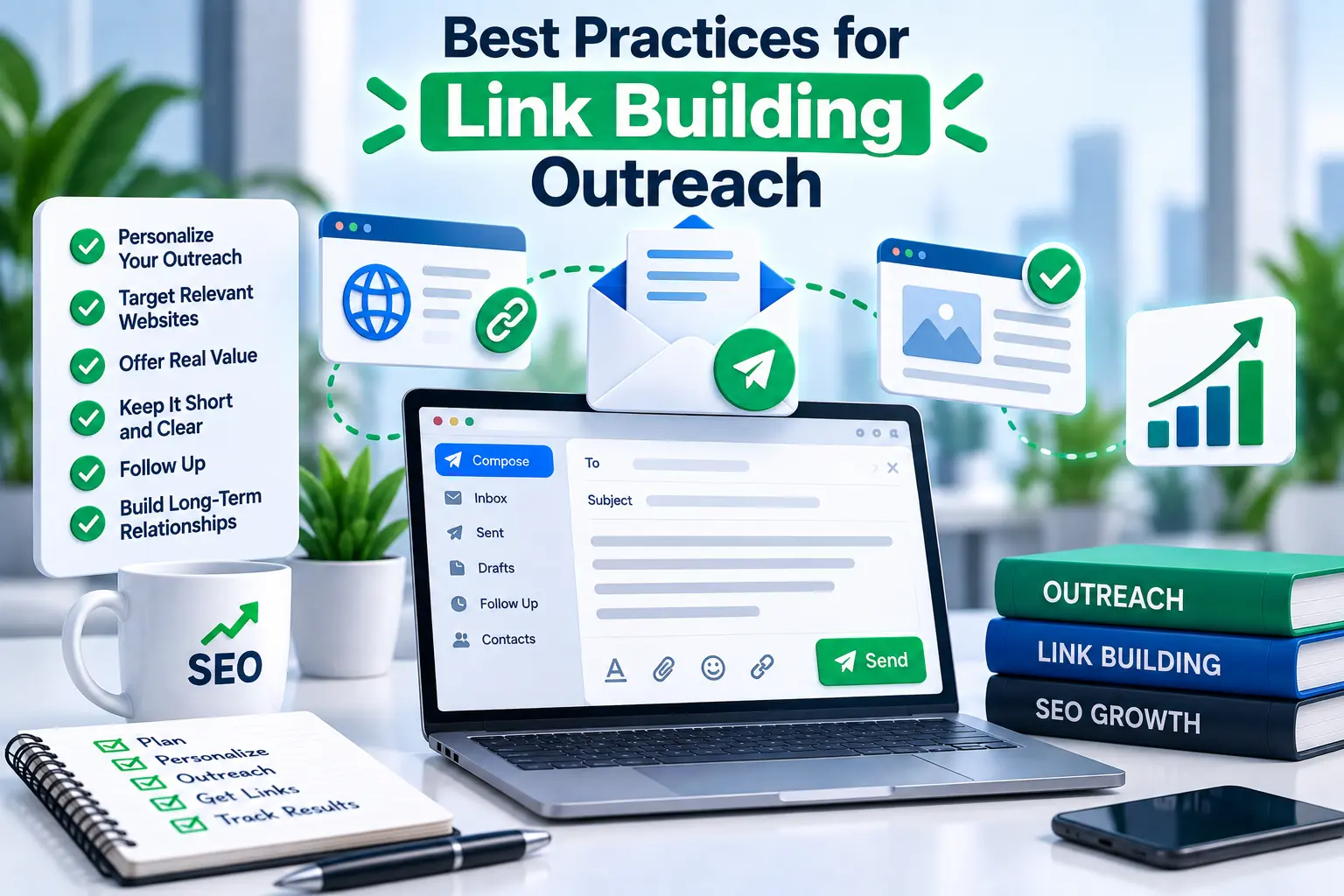
Search visibility depends on trust, relevance, and strong referral signals. Many brands invest in content creation, yet weak outreach limits long-term authority growth. A focused communication plan helps websites gain editorial mentions from credible sources without relying on spam tactics or mass email campaigns. Effective campaigns require research, personalization, consistency, and clear value for publishers. In this article, readers will learn practical outreach methods, relationship strategies, email structure tips, response improvement techniques, and performance tracking practices that support sustainable backlink acquisition across competitive industries.
Search engines continue refining ranking systems that reward authenticity and relevance. Because of that shift, businesses now prioritize relationship-based promotion over automated tactics. Many marketing teams improve performance through strategic partnerships, editorial collaboration, and thoughtful communication. Strong Link Building Outreach creates opportunities for trusted mentions that support authority growth over time. Successful campaigns focus on useful resources, audience alignment, and publisher benefit instead of aggressive requests. Companies that follow ethical communication practices often secure stronger placements, higher response rates, and stable referral traffic from respected websites.
Research Relevant Websites
Strong outreach begins with accurate prospect research. Teams should evaluate website authority, topical relevance, traffic quality, and publishing frequency before sending messages. Poor targeting wastes time and reduces campaign efficiency.
Useful research factors include:
- Organic traffic consistency
- Editorial quality standards
- Existing outbound links
- Audience relevance
- Contact accessibility
Many successful campaigns rely on smaller niche websites instead of large publishers. Those sites often respond faster and value collaborative opportunities. Careful evaluation also prevents outreach from reaching inactive domains or low-quality platforms that may damage search performance.
Build Audience-Focused Content
Editors rarely respond positively without useful material attached to the request. Seo Outreach works best when supported by resources that solve problems, answer questions, or provide unique data.
Helpful content formats include:
- Original research
- Industry surveys
- Detailed guides
- Expert commentary
- Case studies
Readers engage more with informative assets that provide practical value. Publishers also prefer references that improve their existing articles. Strong supporting material increases placement potential while encouraging natural editorial links from related websites.
Personalize Every Outreach Email
Generic messages often fail because editors receive hundreds of similar requests weekly. Personalization improves credibility and demonstrates genuine interest in the recipient’s work.
Good personalization practices include:
- Mentioning recent articles
- Referring to audience interests
- Using the editor’s real name
- Explaining topical relevance
- Keeping language natural
Personalized communication creates stronger professional relationships. Publishers are more willing to review requests when messages feel human and informed. Short introductions with clear context usually perform better than long explanations filled with unnecessary details.
Keep Subject Lines Clear
Email subject lines determine whether messages receive attention or disappear inside crowded inboxes. Short wording with direct intent often generates better open rates.
Effective subject line examples include:
- Resource suggestion for your article
- New data related to your topic
- Quick collaboration opportunity
- Content update recommendation
Avoid exaggerated wording or promotional language. Editors typically ignore messages that appear automated or misleading. Clear subject lines establish trust immediately while setting realistic expectations for the conversation.
Focus on Mutual Value
Outreach succeeds when both parties benefit from the collaboration. Publishers care about audience experience, content quality, and editorial standards. Requests without value rarely receive positive responses.
Teams should explain:
- Why the resource helps readers
- How the link improves context
- What unique insight exists
- Why the topic matters currently
Balanced communication builds professional respect. Publishers appreciate contributors who understand editorial goals rather than focusing entirely on backlinks. That approach supports stronger long-term relationships and repeat collaboration opportunities. Related Guide: AI Tools for SEO Outreach Campaigns
Use Concise Email Structure
Long emails often reduce engagement because editors review messages quickly. Short communication improves readability and helps recipients understand requests immediately.
An effective structure usually includes:
- Brief introduction
- Context connection
- Resource explanation
- Clear request
- Polite closing
Simple formatting improves scanning behavior. Messages with short paragraphs and direct wording appear more professional. Outreach campaigns generally perform better when communication respects the recipient’s limited time.
Follow Up Without Pressure
Many publishers miss initial emails because of workload or scheduling priorities. A polite follow-up often improves response rates without appearing intrusive.
Best follow-up practices include:
- Waiting several days before contact
- Sending one reminder only
- Maintaining respectful wording
- Adding new context if possible
Repeated messages create frustration and damage credibility. Professional persistence works better than aggressive communication. Teams that maintain respectful timing often receive more constructive responses from editors and content managers.
Build Long-Term Relationships
Outreach should support ongoing partnerships rather than one-time transactions. Sustainable relationships create future collaboration opportunities, referral traffic, and editorial trust.
Relationship-building methods include:
- Sharing published content
- Offering future expertise
- Promoting partner articles
- Providing useful insights
Strong partnerships reduce outreach difficulty over time. Editors frequently return to trusted contributors for quotes, resources, or collaborative projects. Relationship-focused campaigns often generate stronger results than purely transactional approaches.
Monitor Outreach Performance
Campaign tracking helps marketers understand which tactics improve engagement and placements. Without performance analysis, teams cannot identify strengths or weaknesses effectively.
Important metrics include:
- Open rates
- Response rates
- Link placements
- Referral traffic
- Conversion impact
Consistent monitoring improves future decision-making. Data analysis also reveals which industries, content formats, or email structures generate stronger results. Performance reviews support better resource allocation and campaign refinement.
Identify High-Performing Templates
Some email structures consistently outperform others. Tracking template performance helps teams refine communication style and improve efficiency.
Marketers should compare:
- Subject line effectiveness
- Response timing
- Content length
- Personalization depth
- Conversion percentage
Template analysis reduces guesswork during future campaigns. Teams often discover that concise, audience-focused messaging generates better engagement than highly promotional communication.
Avoid Common Outreach Mistakes
Many campaigns fail because of avoidable communication problems. Small errors can damage credibility and reduce placement opportunities.
Common mistakes include:
- Sending mass emails
- Ignoring audience relevance
- Using misleading promises
- Writing excessive paragraphs
- Requesting links aggressively
Professional outreach requires patience and attention to detail. Publishers respond better when communication demonstrates authenticity and respect. Avoiding careless mistakes helps maintain brand reputation across industry communities.
Improve Credibility With Expertise
Editors trust sources that demonstrate genuine industry knowledge. Expert insights, research findings, and practical examples increase outreach success significantly.
Credibility signals may include:
- Published research
- Professional experience
- Unique statistics
- Case study evidence
- Recognized contributors
Trust develops gradually through consistent quality. Websites that provide reliable information often attract stronger editorial opportunities and long-term collaboration requests from respected publishers.
Adapt Strategies for Different Niches
Outreach methods vary across industries because audience expectations differ significantly. Technology publishers may prefer research-driven content, while lifestyle websites often value relatable storytelling.
Campaign adjustments may involve:
- Tone changes
- Different content formats
- Unique outreach timing
- Topic-specific examples
Flexible communication improves publisher alignment. Teams that adapt messaging according to niche expectations usually achieve higher engagement and stronger relationship development.
Strengthen Outreach With Data
Publishers appreciate resources supported by clear evidence and reliable statistics. Data-driven content improves authority while encouraging editorial trust.
Useful data sources include:
- Industry surveys
- Market trends
- Consumer behavior reports
- Internal research findings
Evidence-based resources provide stronger reasons for publishers to reference external content. Data also increases reader confidence and encourages broader content sharing across related websites.
Conclusion
Successful outreach depends on preparation, relevance, communication quality, and professional relationship management. Strong campaigns prioritize publisher value instead of short-term backlink acquisition. Businesses that research prospects carefully, personalize messages effectively, and support requests with useful resources often achieve stronger editorial placements and sustainable authority growth. Consistent monitoring also helps teams improve performance while avoiding ineffective tactics. Ethical communication practices create trust, encourage collaboration, and support long-term visibility across search platforms. Companies that apply these outreach methods carefully can strengthen online credibility while building meaningful industry connections that continue producing value over time.