
How to Get Backlinks Through Outreach
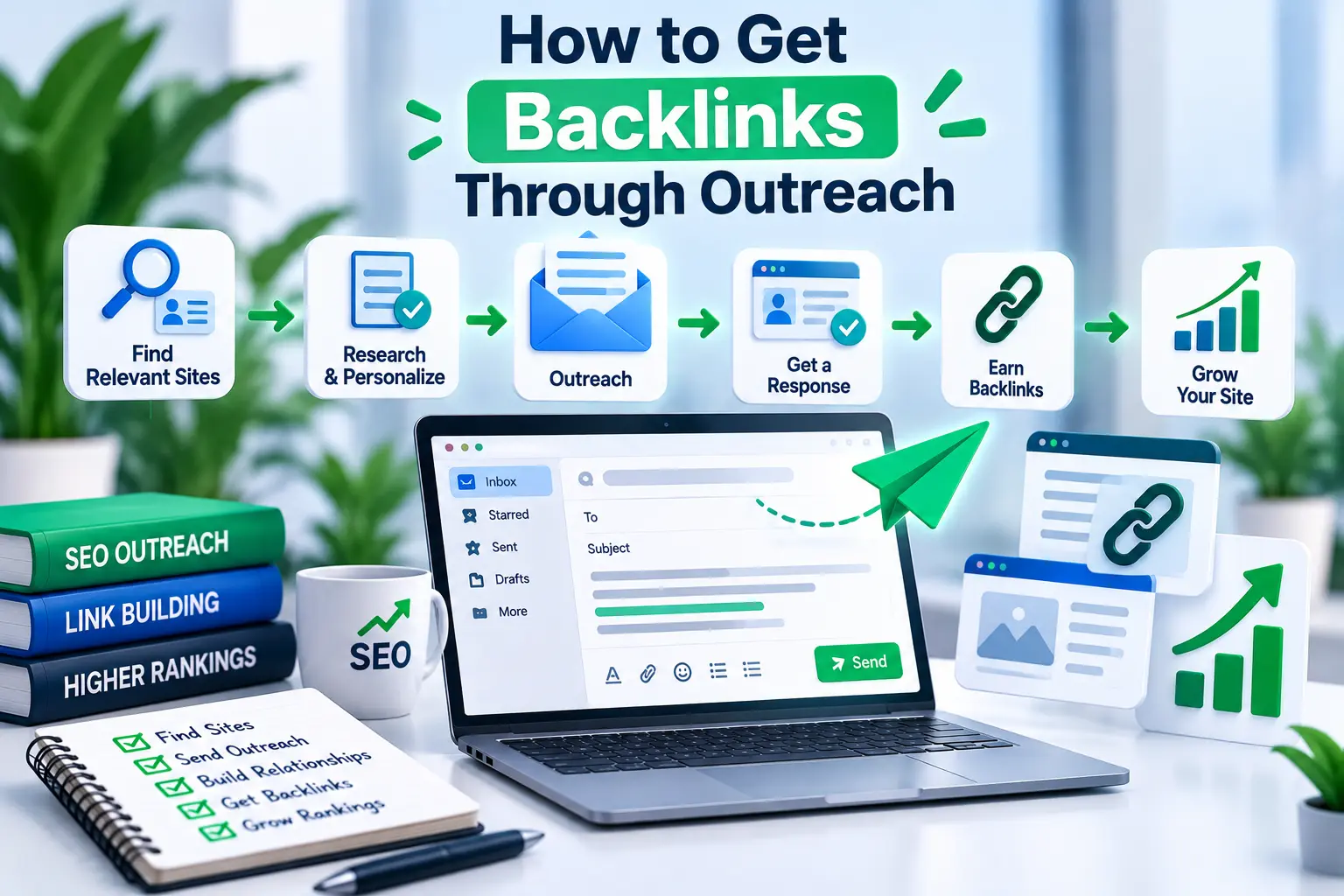
Backlinks still influence search visibility, referral traffic, and brand trust. Many websites struggle to gain quality links because they publish content without building relationships or sharing useful resources with relevant publishers. A planned Seo Outreach process helps businesses connect with editors, bloggers, and site owners who accept valuable contributions. In this article, readers will learn how outreach works, why personalized communication matters, common mistakes that reduce response rates, and practical ways to earn links from trusted websites. The guide also explains research methods, email strategies, follow-up systems, and content formats that support long-term link growth.
Why Backlinks Matter
Search engines use backlinks as trust signals. A website with relevant links from respected sources often performs better in search results. Referral visitors also arrive through those mentions, which can improve engagement and conversions.
Strong links support brand authority across different industries. Publishers usually connect with pages that solve problems, share data, or explain useful ideas clearly. Businesses that publish reliable information often receive better outreach responses.
Organic rankings also become more stable with consistent backlink growth. Websites with poor link profiles may struggle to compete, even with strong content. Outreach helps close that gap through direct communication and relationship building.
What Outreach Means in Link Building
Outreach refers to contacting website owners, editors, bloggers, or journalists for collaboration opportunities. Those opportunities may include guest posts, resource mentions, expert quotes, broken link replacements, or partnership content.
Many companies use outreach because passive link building takes longer. Direct communication increases visibility and creates opportunities for valuable placements on relevant sites. Consistent engagement also builds trust with publishers over time.
Businesses that invest in quality communication often secure stronger editorial mentions. Helpful conversations usually perform better than generic email templates sent to large contact lists.
Start With Linkable Content
Outreach campaigns perform better with useful assets. Publishers rarely link to weak sales pages or thin articles. Strong resources create a valid reason for editors to mention a website naturally.
Useful linkable assets include:
- Industry studies
- Detailed tutorials
- Statistics pages
- Free tools
- Infographics
- Case studies
- Expert interviews
Writers should focus on solving specific problems. Clear formatting, accurate information, and updated examples improve content value. Publishers usually prefer linking to resources that help their readers directly.
High-quality pages also increase future link opportunities without additional promotion.
Research Relevant Websites
Successful outreach depends on targeting suitable websites. Random emails waste time and reduce response rates. Relevant sites usually share similar audiences, topics, or industry interests.
Research should focus on:
- Domain relevance
- Content quality
- Organic traffic
- Engagement levels
- Publishing frequency
- Existing outbound links
Many marketers improve results through organized research systems. During that process, teams often study competitor mentions and analyze editorial standards connected with SEO Outreach strategies used across different industries. Careful evaluation helps businesses identify websites that accept meaningful contributions while maintaining quality expectations. Editors generally prefer practical content supported by real examples, trusted references, and audience-focused insights instead of promotional material with little informational value.
Spreadsheet tracking helps organize targets efficiently. Contact names, email addresses, publication guidelines, and response history should remain updated for better campaign management.
Find the Right Contact Person
Outreach emails work better when sent to the correct person. General inboxes often receive hundreds of messages each week. Personalized communication increases the chance of a response.
Suitable contacts may include:
- Editors
- Content managers
- Website owners
- Marketing leads
- Journalists
LinkedIn profiles, author pages, and contact sections help identify decision-makers. Research should confirm whether the person still works for the publication before sending emails.
Correct targeting also improves professionalism. Publishers appreciate messages directed to specific individuals instead of generic greetings.
Write Personalized Outreach Emails
Personalization plays a major role in outreach success. Editors quickly ignore copy-paste templates that offer little value. Emails should mention relevant articles, audience interests, or recent content updates.
Good outreach emails usually contain:
- A clear subject line
- Brief introduction
- Relevant context
- Simple collaboration request
- Polite closing
Short messages often perform better than long explanations. Busy editors prefer direct communication that explains the benefit clearly.
Writers should avoid exaggerated claims or aggressive sales language. Helpful, respectful communication creates stronger long-term relationships.
Use Guest Posting Carefully
Guest posting remains one of the most common outreach methods. Businesses contribute articles to relevant websites in exchange for contextual backlinks. Quality matters more than volume.
Effective guest posts should:
- Match the host site’s audience
- Offer practical information
- Include accurate examples
- Maintain natural link placement
- Follow editorial guidelines
Publishers reject low-value submissions quickly. Unique content improves approval chances and supports stronger relationships with editors.
Relevant websites also send targeted referral traffic. Readers who trust the host publication may visit the linked website for additional information.
Build Relationships Before Asking
Relationship-based outreach often produces better results than cold requests. Publishers receive many backlink pitches daily, which makes trust important.
Businesses can build familiarity through:
- Thoughtful comments
- Social sharing
- Content mentions
- Industry discussions
- Expert contributions
Consistent interaction creates recognition before outreach begins. Editors may respond more positively when they already recognize a brand or contributor.
Long-term relationships also create recurring opportunities. A publisher satisfied with one collaboration may accept future contributions more easily.
Follow Up Without Spamming
Many outreach emails receive delayed responses because editors manage busy schedules. Follow-up messages help maintain visibility without appearing intrusive.
A reasonable follow-up process may include:
- Initial outreach email
- Follow-up after five days
- Final reminder after another week
Messages should remain short and polite. Repeating the same request aggressively may damage future opportunities.
Tracking responses also helps improve outreach efficiency. Teams can identify which email styles generate stronger engagement and better conversion rates.
Offer Value First
Publishers care about audience experience. Outreach requests should explain how the collaboration benefits readers instead of focusing only on backlinks.
Value-driven outreach may include:
- Fresh research
- Industry data
- Expert insights
- Original graphics
- Helpful tutorials
Editors usually prefer contributions that strengthen their existing content. Outreach succeeds more often when the proposed topic fills a gap or improves reader understanding.
Practical suggestions also demonstrate professionalism. Publishers appreciate contributors who understand audience needs and editorial quality standards.
Avoid Common Outreach Mistakes
Many campaigns fail because of preventable mistakes. Poor communication damages trust and lowers reply rates quickly.
Common outreach errors include:
- Generic email templates
- Irrelevant website targeting
- Excessive follow-ups
- Weak content quality
- Overused anchor text
- Unrealistic promises
Spam-like behavior harms brand reputation. Editors often share negative experiences within industry communities, which can reduce future opportunities.
Quality outreach focuses on relevance, clarity, and mutual benefit instead of mass email volume.
Track Outreach Performance
Measurement helps improve future campaigns. Businesses should review outreach data regularly to identify strengths and weaknesses.
Important metrics include:
- Email open rates
- Reply rates
- Link placements
- Referral traffic
- Keyword improvements
- Publisher relationships
Campaign tracking tools simplify reporting and organization. Consistent analysis also highlights which content formats attract stronger editorial interest.
Performance reviews support smarter decision-making over time. Businesses can adjust outreach methods based on real engagement patterns instead of assumptions.
Use Different Outreach Strategies
Link building works better with varied approaches. Relying on one tactic may limit growth opportunities.
Additional outreach methods include:
- Broken link building
- Resource page outreach
- Podcast appearances
- Expert roundups
- Digital public relations
- Skyscraper content promotion
Different industries respond to different strategies. Testing multiple approaches helps businesses discover what performs best for their niche.
Flexible campaigns also reduce dependency on guest posting alone, which creates a more balanced backlink profile.
Focus on Relevance Over Quantity
A few relevant backlinks often provide more value than many weak placements. Search engines evaluate context, authority, and editorial quality carefully.
Relevant links usually come from websites connected to similar topics or audiences. Those placements send stronger trust signals and more engaged visitors.
Businesses should avoid chasing large backlink numbers without quality evaluation. Low-quality links may create long-term ranking issues instead of positive growth.
Careful targeting produces stronger results with fewer outreach emails.
Conclusion
Backlink outreach remains an effective method for improving visibility, authority, and organic growth when handled with planning and professionalism. Businesses that publish useful content, research suitable websites, and communicate respectfully often build stronger publisher relationships over time. Successful campaigns depend on relevance, personalization, consistency, and audience value instead of mass email volume. Teams that monitor results and improve their approach gradually secure better placements and stronger engagement. In this article, readers explored content preparation, outreach communication, relationship building, follow-up practices, performance tracking, and common mistakes that affect campaign success across different industries.