
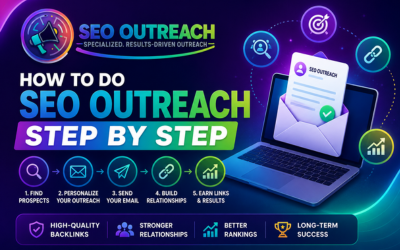
Search visibility depends on trust, authority, and relevant mentions from respected websites. Many brands improve rankings by building relationships with publishers, bloggers, and niche platforms that already attract engaged readers. Effective outreach helps businesses secure links, mentions, and collaborations that support long-term growth. A clear process reduces wasted effort and improves response quality over time. This article explains each stage of outreach, including research, personalization, communication, tracking, and follow-up methods. Readers will also learn how structured campaigns increase referral traffic, strengthen authority signals, and support sustainable organic performance.
Understand the Goal of SEO Outreach
Search engines evaluate credibility through references from external websites. Outreach helps companies earn those references through communication and useful content. A strong campaign focuses on relevance instead of volume.
Several common outreach goals include:
- Guest posting opportunities
- Resource page placements
- Broken link replacements
- Product mentions
- Expert quote requests
- Partnership collaborations
Each objective requires a different message structure and targeting method. Teams that define goals before sending emails usually achieve stronger engagement rates. Clear direction also improves campaign measurement and reporting accuracy.
Next Read: How to Increase Outreach Response Rates
Research Relevant Websites
Successful outreach starts with careful research. Random website selection often creates poor response rates and low-quality placements. Marketers usually focus on websites connected to the same niche, audience, or service category.
Important evaluation factors include:
- Organic traffic trends
- Domain authority
- Content quality
- Publishing frequency
- Audience relevance
- Contact accessibility
Writers should review recent articles before contacting editors. This process helps outreach messages sound informed and genuine. Relevant partnerships often produce stronger referral traffic and better search value over time.
Continue Reading: Guest Posting vs Niche Edits
Build a Qualified Outreach List
A structured contact database keeps campaigns organized and scalable. Outreach teams generally collect website names, editor contacts, social profiles, and article topics in one spreadsheet.
Useful outreach data includes:
| Data Point | Purpose |
|---|---|
| Contact Name | Personalization |
| Email Address | Direct communication |
| Website Niche | Relevance filtering |
| Traffic Estimate | Opportunity evaluation |
| Previous Articles | Content alignment |
| Contact Status | Campaign tracking |
Accurate records reduce duplicate communication and improve workflow efficiency. Organized lists also simplify reporting during large outreach projects.
Related Guide: AI Tools for SEO Outreach Campaigns
Create Valuable Content Before Outreach
Editors prefer content that benefits readers instead of promotional material. Strong articles solve problems, answer questions, or provide original insights backed by data.
Content preparation often includes:
- Industry research
- Statistics collection
- Internal case studies
- Visual assets
- Expert commentary
Many outreach campaigns fail because the offered material lacks value. Publishers receive large numbers of requests daily, so quality plays a major role in approval decisions. Useful content increases trust and improves acceptance rates.
Pro Tips on: SEO Outreach in 2026
Write Personalized Outreach Emails
Personalization creates stronger engagement than generic templates. Editors quickly recognize copied messages sent in bulk. Effective communication references the recipient’s website, article style, or recent publication topic.
A good outreach email usually contains:
- A short introduction
- A clear purpose
- Relevant context
- Value for readers
- A polite closing
Writers should avoid excessive compliments or aggressive requests. Direct communication generally receives better responses. Clear subject lines also improve open rates and reduce spam filtering risks.
Recommended Article: Outreach Prospecting Tools
Keep Subject Lines Short and Relevant
Subject lines influence whether recipients open outreach emails. Long or confusing phrases often reduce engagement. Short wording performs better because editors scan large inboxes quickly.
Examples of effective subject approaches include:
- Guest article idea for [Website Name]
- Resource suggestion related to [Topic]
- Quick collaboration request
- Content contribution proposal
Strong subject lines remain simple and connected to the message content. Honest wording builds trust and prevents confusion during communication.
Advanced Strategies for: Top SEO Outreach Strategies
Focus on Relationship Building
Outreach works best when communication continues after publication. Long-term relationships create repeat opportunities and stronger industry credibility.
Relationship-building actions include:
- Sharing published content
- Commenting on articles
- Promoting partner websites
- Sending future topic suggestions
- Providing updated resources
Editors usually prefer working with reliable contributors who respect deadlines and quality standards. Consistent communication increases trust over time and improves collaboration potential.
Must-Read Resource: SEO Outreach for SaaS Websites
Use Follow-Ups Carefully
Many outreach emails receive no response during the first attempt. Follow-ups help reconnect with busy editors without appearing intrusive. Timing plays an important role during this stage.
Effective follow-up practices include:
- Waiting three to five days
- Keeping messages brief
- Referencing the original email
- Adding new value or context
- Ending politely
Sending too many reminders may damage reputation and reduce future opportunities. Balanced communication creates better engagement without unnecessary pressure.
Beginner’s Guide to: 10 SEO Outreach Email
Track Outreach Performance
Measurement helps teams improve campaign quality and identify weak areas. Outreach tracking usually includes open rates, replies, accepted placements, and earned backlinks.
Important outreach metrics include:
| Metric | Why It Matters |
|---|---|
| Open Rate | Subject line effectiveness |
| Reply Rate | Message quality |
| Placement Rate | Campaign success |
| Referral Traffic | Audience engagement |
| Link Quality | Search value |
Performance analysis helps marketers refine messaging strategies and targeting methods. Consistent tracking also supports smarter resource allocation during future campaigns.
Learn More About: Outreach Campaign Management Tips
Avoid Common Outreach Mistakes
Poor outreach habits often damage credibility and reduce response rates. Many campaigns fail because communication feels rushed, generic, or irrelevant.
Common mistakes include:
- Sending mass emails
- Ignoring website relevance
- Using weak content
- Writing long introductions
- Requesting links immediately
- Following up excessively
Careful preparation reduces these problems significantly. Teams that focus on relevance and value usually build stronger publisher relationships and better long-term results.
Expert Guide: Link Prospecting Methods for Beginners
Use Outreach Tools for Better Efficiency
Manual outreach takes significant time during large campaigns. Many marketers use tools that simplify prospect research, email scheduling, and campaign monitoring.
Helpful outreach tool categories include:
- Email discovery platforms
- Relationship management systems
- Link analysis software
- Performance tracking dashboards
- Contact verification services
Technology improves organization and reduces repetitive work. Still, automation should support personalization rather than replace human communication entirely.
Step-by-Step Guide: How to Do SEO Outreach Step by Step
Improve Outreach With Data and Testing
Testing different strategies helps marketers understand what works best for specific industries. Small adjustments often create measurable improvements in campaign results.
Useful testing areas include:
- Subject line wording
- Email length
- Call-to-action placement
- Follow-up timing
- Personalization depth
Data-driven decisions reduce guesswork and improve outreach efficiency. Regular testing also helps teams adapt to changing publisher expectations and communication patterns.
In-Depth Tutorial: Best Practices for Link Building Outreach
Conclusion
SEO outreach remains an important strategy for improving authority, referral traffic, and organic visibility. Strong campaigns rely on preparation, relevant targeting, valuable content, and respectful communication. Businesses that focus on long-term relationships often achieve stronger publishing opportunities and higher response rates. Careful tracking also helps marketers improve performance through testing and refinement. Outreach success rarely comes from shortcuts or mass messaging practices. Consistent effort, thoughtful personalization, and useful content create stronger partnerships that support lasting search growth and brand credibility over time.
Complete Breakdown: How to Get Backlinks Through Outreach
Leave a Reply